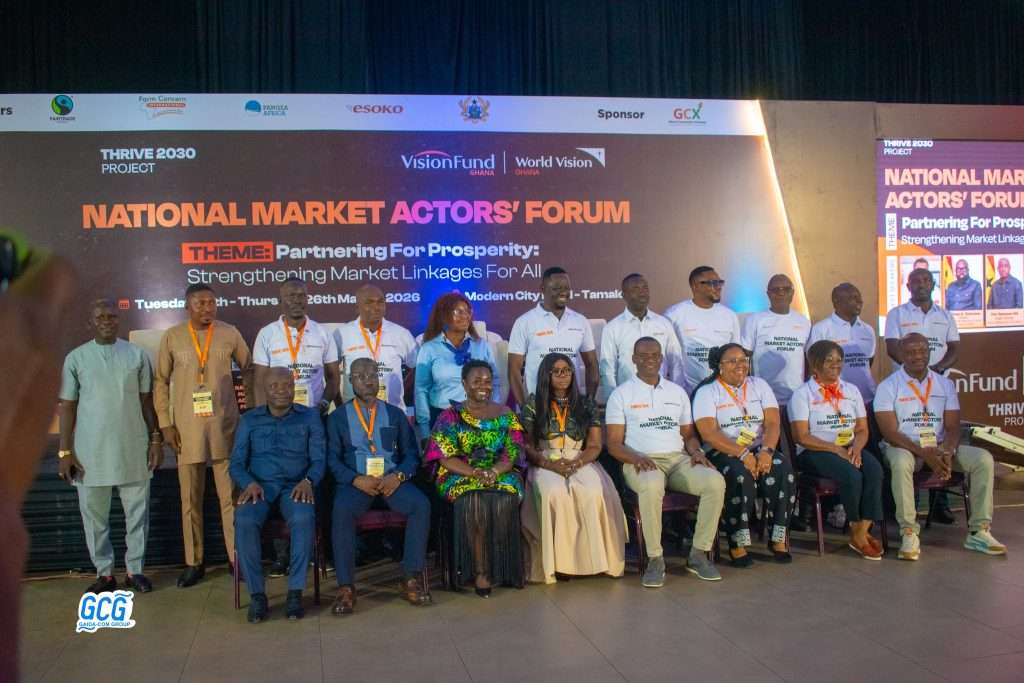
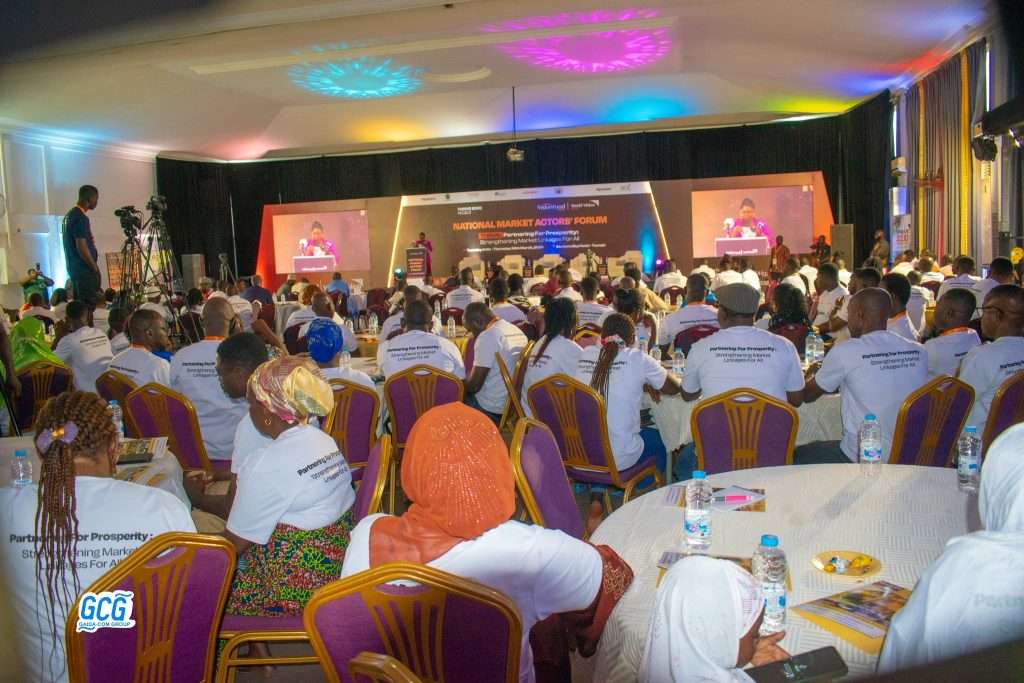
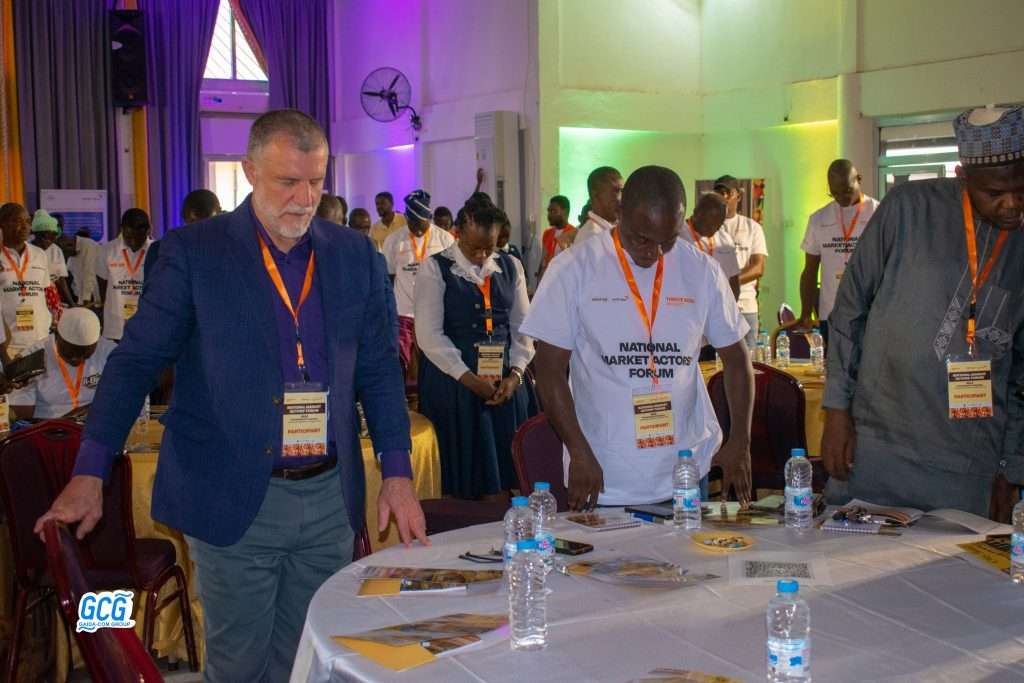
Tamale came alive with purpose and possibility as key players across Ghana’s agricultural and business ecosystem gathered for the National Market Actors’ Forum, a three-day event that felt less like a conference and more like a movement in motion.
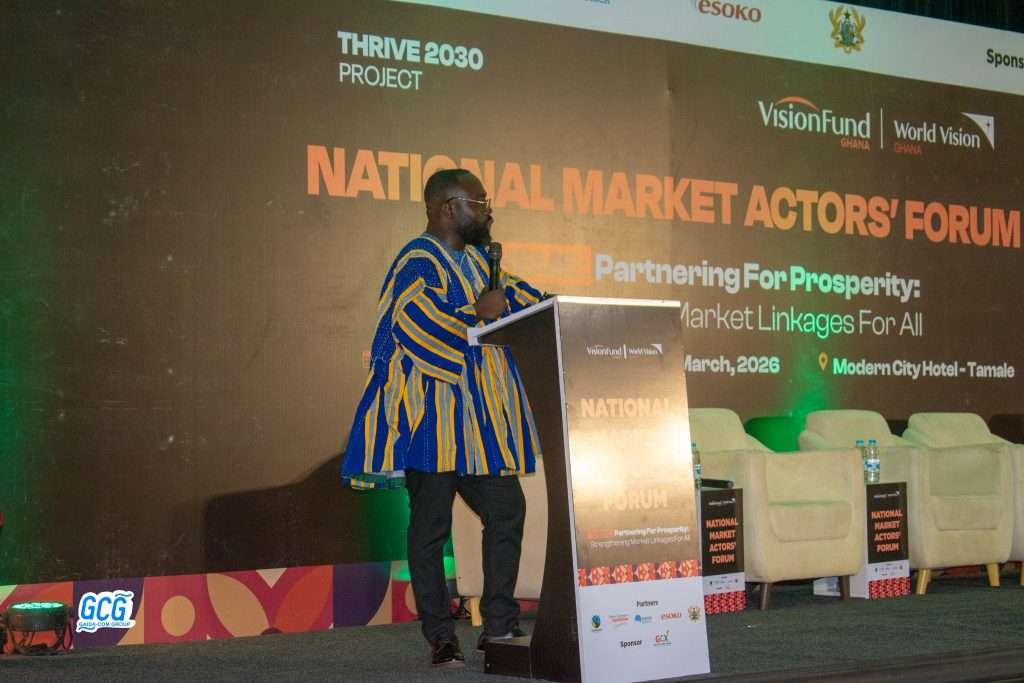
Held from March 24 to 26 at the Modern City Hotel, the forum, organized by World Vision Ghana under its Everyone THRIVE Project, brought together government officials, private sector leaders, financial institutions, farmer groups, and development partners under one ambitious theme: “Partnering for Prosperity: Strengthening Market Linkages for All.”
But beyond the speeches and presentations, what stood out was a shared urgency, a recognition that Ghana’s smallholder farmers and vulnerable communities cannot be left behind in the country’s economic transformation.
A Human-Centered Vision
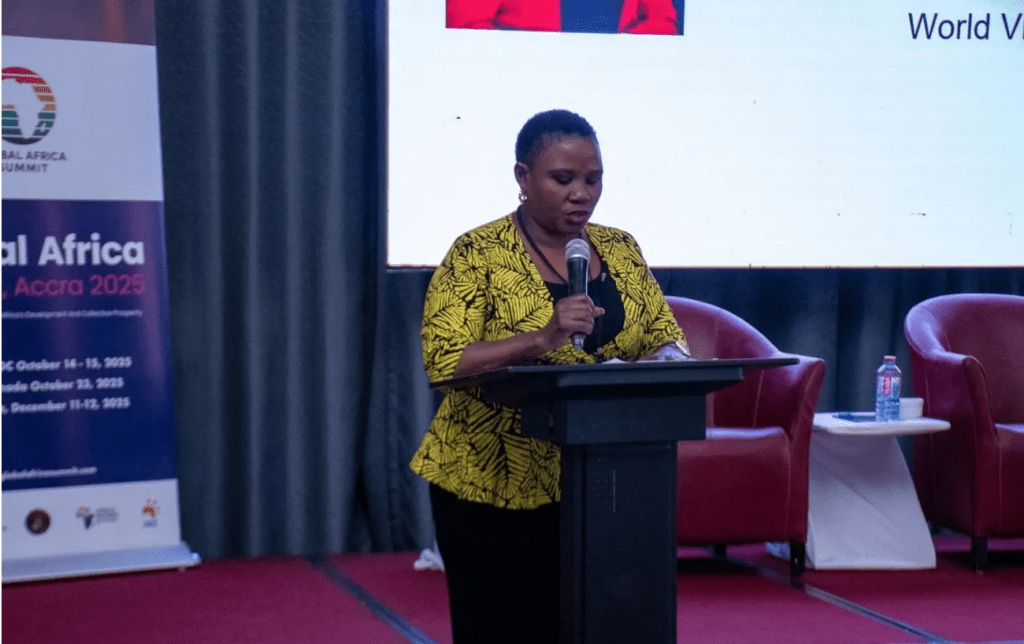
In a heartfelt address, World Vision Ghana’s National Director, Dr. Tinah T. Mukundah, grounded the forum in a simple but powerful truth: no child can thrive in a household without economic stability.
Her message was clear, this initiative is not just about markets; it’s about people.
With operations spanning most regions of Ghana since 1979, World Vision is now doubling down through the Everyone THRIVE initiative, targeting 160,000 households and aiming to double the income of 400,000 people within three years.
“This forum is a call to partnership,” she emphasized, not as a slogan, but as a strategy.
From Beneficiaries to Partners
A key shift echoed throughout the forum was the idea of redefining farmers and small businesses not as beneficiaries, but as partners and co-creators.
This mindset shaped discussions across panels and presentations, from unlocking finance for smallholders to leveraging digital tools like eTHRIVE and mTHRIVE for smarter decision-making.
Participants explored how better market linkages, access to finance, and supportive government policies can unlock real opportunities for rural producers, many of whom have long been excluded from formal economic systems.
A Call to Action Across Sectors
Dr. Mukundah didn’t hold back in challenging stakeholders:
- Private sector players were urged to see smallholders as investable producers, not risks.
- Government actors were called upon to strengthen policies around rural infrastructure, fair pricing, and agricultural insurance.
- Development partners were encouraged to align efforts and avoid duplication.
It was a rare moment of alignment, where words translated into a collective responsibility.
Ghana’s Opportunity Window
With Africa’s agribusiness market projected to hit $1 trillion by 2030, the message was both hopeful and cautionary: Ghana has the potential to claim a significant share, but only if systemic gaps are addressed.
And that’s where the forum found its true power not just in dialogue, but in commitment.
Beyond Conversations
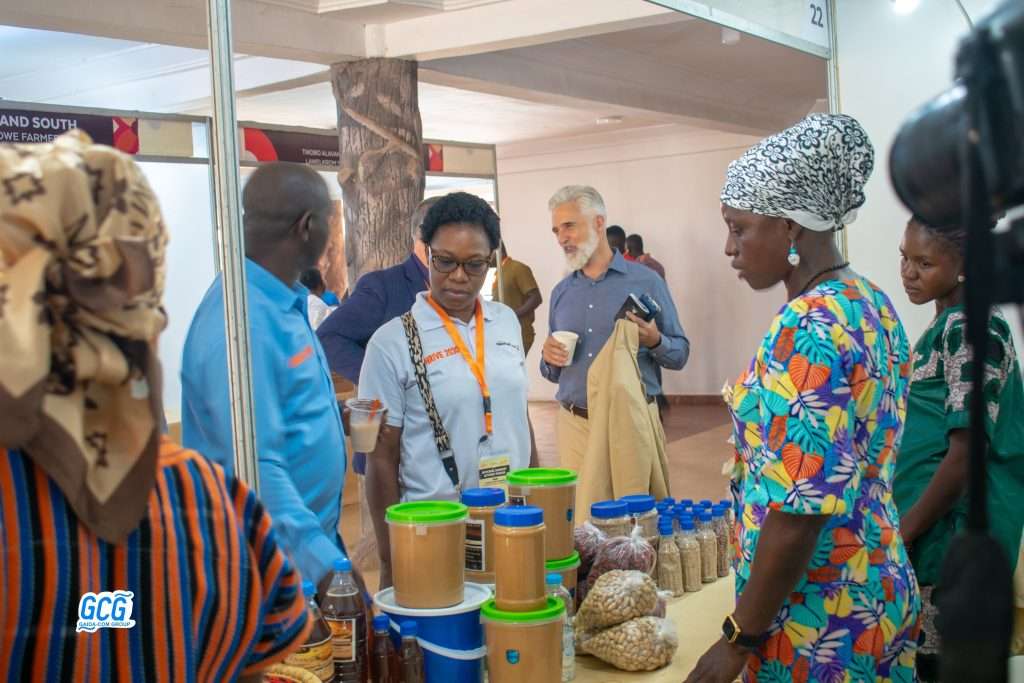
As the event wrapped up with exhibitions, networking sessions, and partnership-building opportunities, one message lingered in the air:
Leave with commitments, not just conversations.
For many attendees, this wasn’t just another event on the calendar. It was a reminder that real change, the kind that transforms households, empowers farmers, and secures the future of children happens when partnerships move from talk to action.
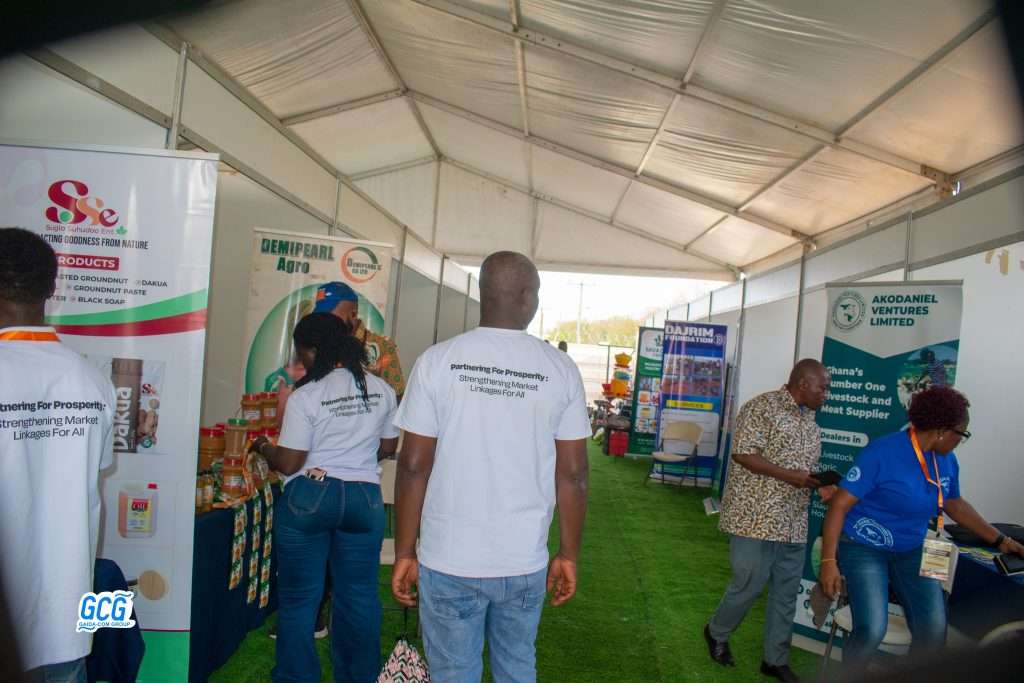
And in Tamale, for those three days, that action felt closer than ever.