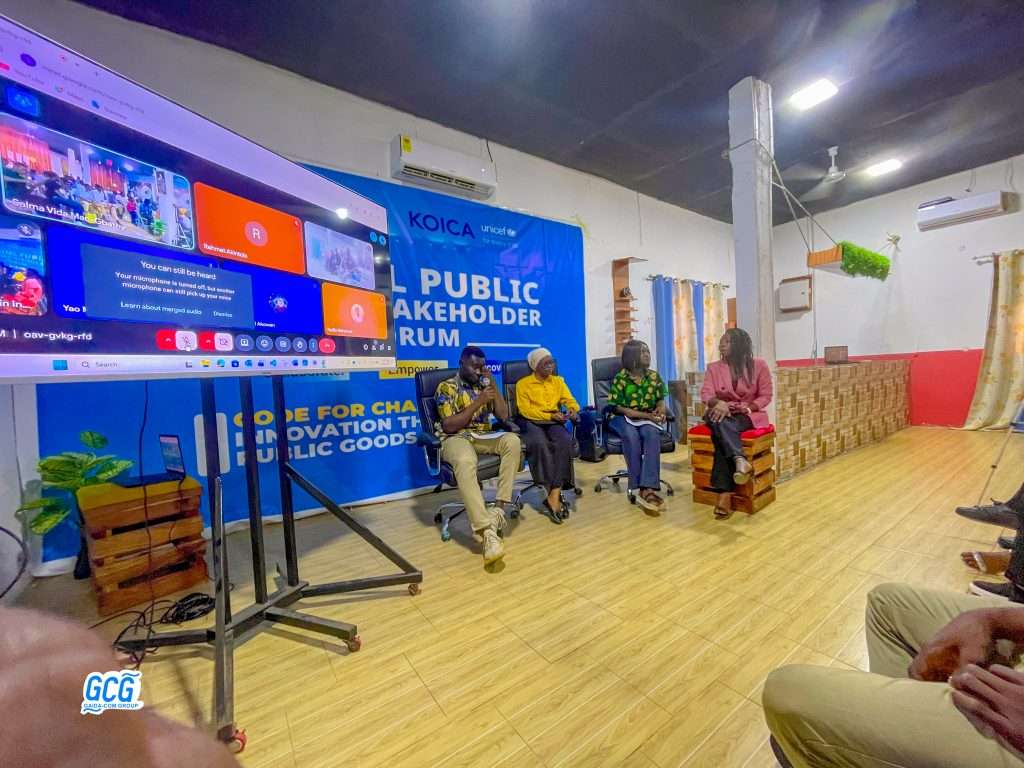
For too long, the narrative around Northern Ghana has been defined by its challenges. But yesterday in Tamale, a new story was being written, not on paper, but in lines of code, bold ideas, and the vibrant energy of a generation ready to build.
In a dynamic collaboration, UNICEF and Hopin Academy open the doors to the digital future, hosting a stakeholder dialogue on Digital Public Goods (DPGs). The room wasn’t filled with just officials; it was buzzing with young tech enthusiasts, curious students, and a public eager to be part of the conversation.
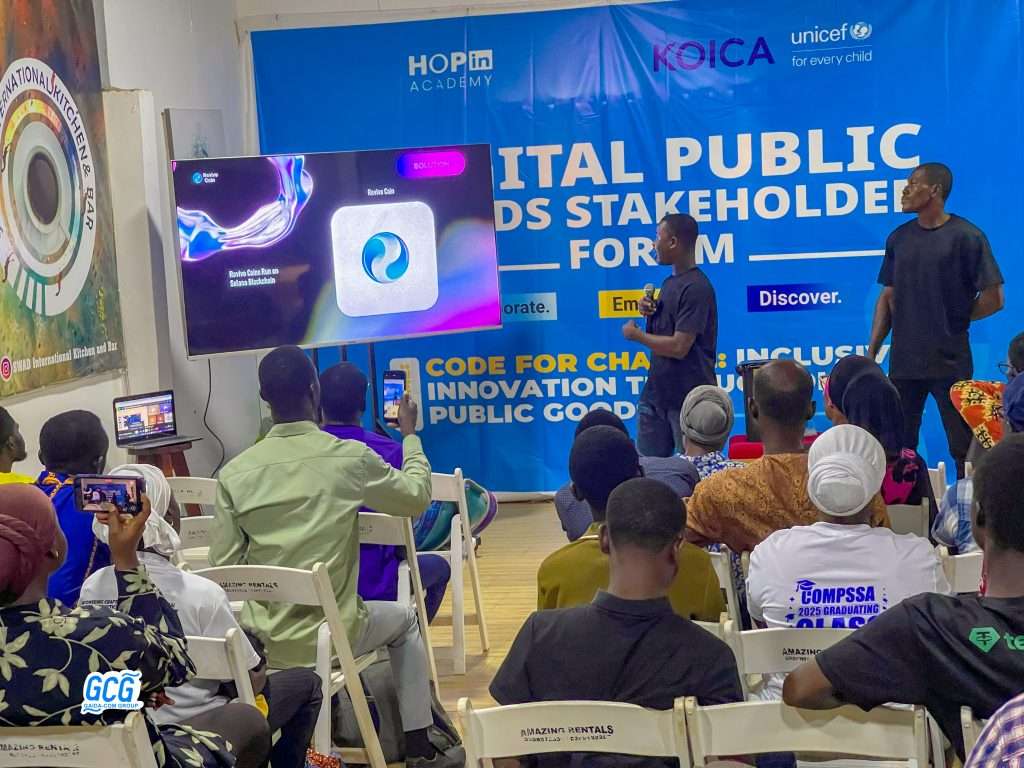
So, what exactly are these Digital Public Goods? Imagine a digital toolkit that anyone, anywhere can use, adapt, and share for free, no strings attached.
Rahmat Akintola, a Technical Advisor at MEST, joined online to break it down. She explained that DPGs are open-source digital assets, like software, data sets, and AI models designed to tackle the world’s biggest problems, from poverty to climate change, aligning directly with the UN’s Sustainable Development Goals (SDGs).
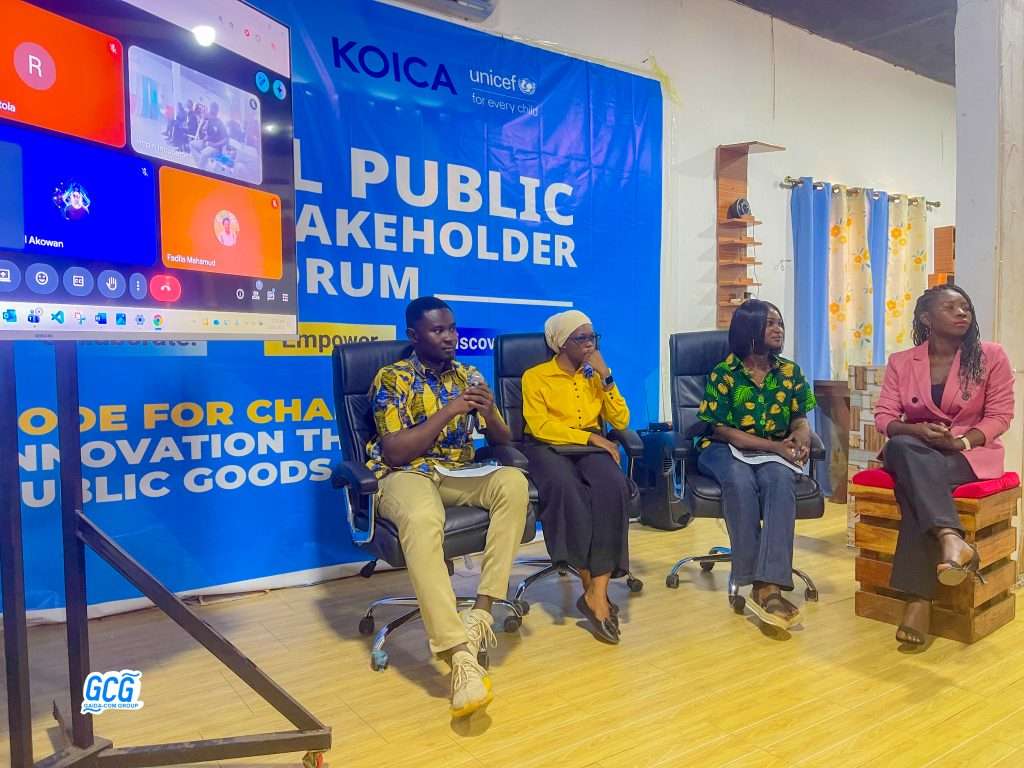
The conversation then hit home. A powerful panel featuring Emmanuel Konam, Shafaw Mohammed, and Zoe Ohene Ampofo, local tech heroes from Tamale took the stage. They issued a compelling call to action:
the youth of Northern Ghana no longer need to just be consumers of technology. They can be its architects. By exploring DPGs, they can build scalable, sustainable solutions for their own communities, from the ground up.
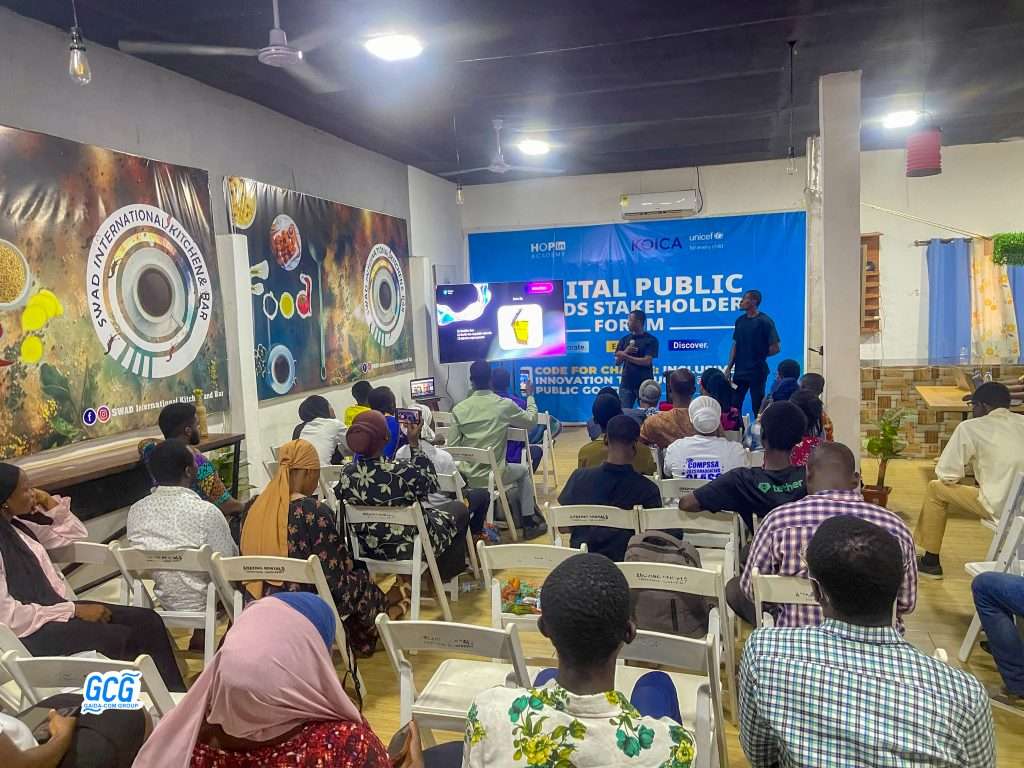
But the real magic happened when theory met practice. The Digital Public Goods Innovators Challenge showcased the raw talent already brewing in the North. We saw:
- AgriLink and Farmers Focus Connect building digital bridges for local farmers.
- Revivo Bin and Tera Labs tackling sanitation and health with smart tech.
- Educonnect Nova+ reimagining the future of learning.
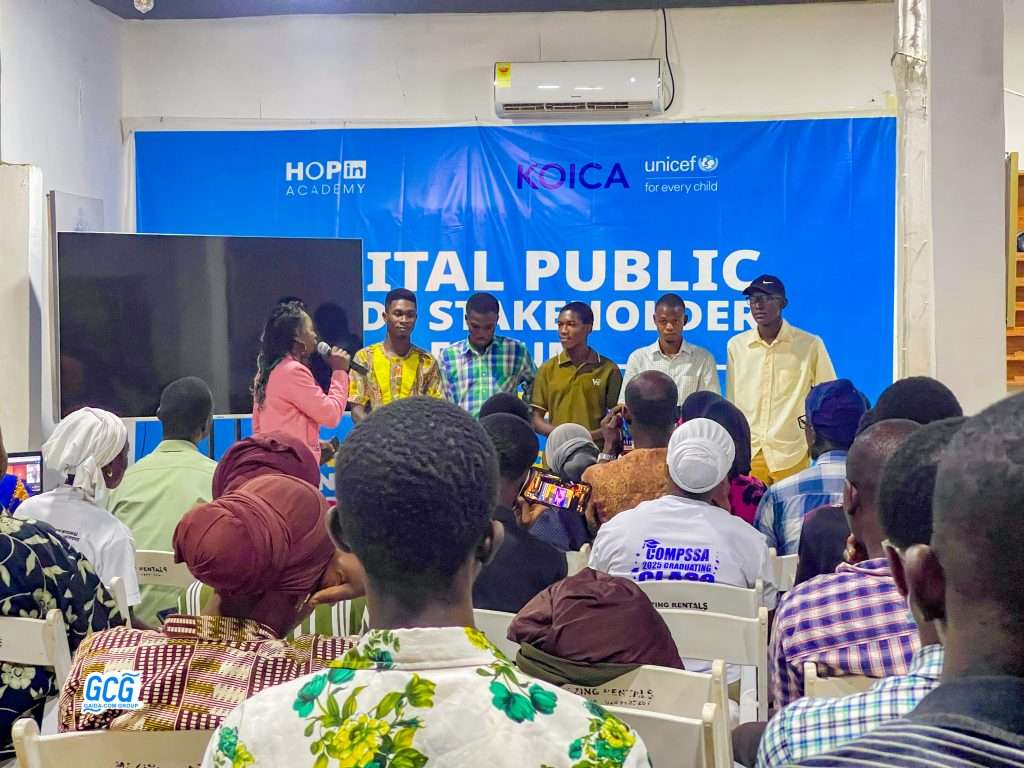
In a thrilling climax, Educonnect was crowned the winner, their vision for education earning them the top spot and proving that the next great ed-tech solution might not come from a Silicon Valley garage, but from a hub in Tamale.
This wasn’t just another workshop. It was the sound of a padlock clicking open. The code is now open-source, the tools are free, and the talent is undeniable. The North isn’t just joining the digital revolution; it’s starting one of its own.

