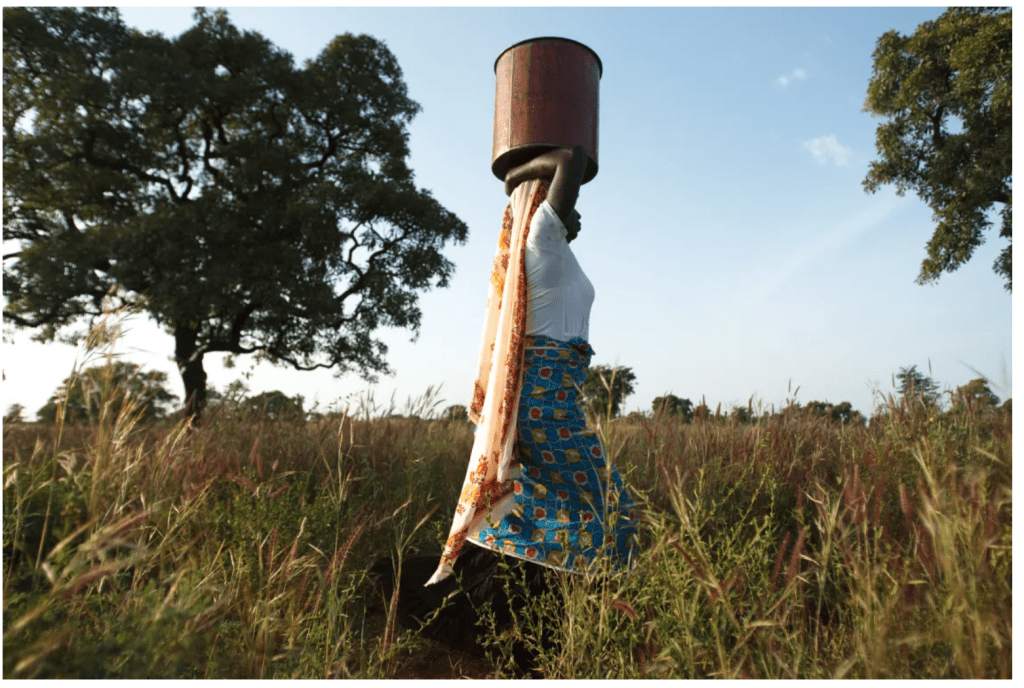
If you’ve been scrolling through social media lately, chances are you’ve come across a series of trending videos showing women in Northern Ghana lifting large metallic containers filled with water all on their own. The challenge is simple but powerful: carry the heavy “Garawa” without help. What many viewers don’t realize, however, is that this viral trend has deep roots in Northern Ghanaian tradition.
What Is the Garawa?
The Garawa is a traditional metallic cylindrical container that once stood as a symbol of womanhood and responsibility in Northern Ghana. Forged by blacksmiths and sold in local markets, it was more than just a household item, it was an identity. Every woman owned one, and it was considered among her most valuable possessions.
But what many don’t know is that the word Garawa has deep roots that stretch far beyond Ghana. The term actually originated from Nigeria, where it comes from the Yoruba word “Garawa,” meaning “bucket.” Over time, the word spread across West Africa and was adopted by the Hausa people, who pronounce it Garwa, still carrying the same meaning bucket.
In the olden days, when streams and rivers were the main sources of water, women carried the Garawa over long distances to fetch water for their families. This water was used for cooking, bathing, cleaning, and other daily chores. Carrying the Garawa wasn’t seen as a burden it was a sign of strength, pride, and womanhood. Young girls learned by following their mothers and sisters to the river, gradually building the resilience expected of every responsible woman.
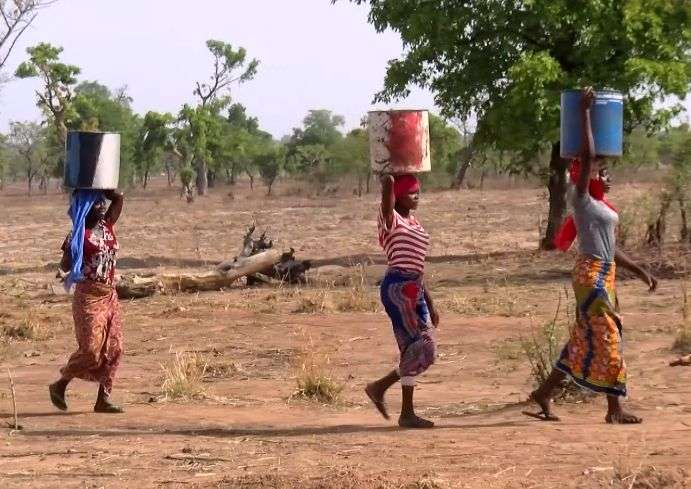
The Garawa at the Stream
At the stream, the atmosphere was both communal and competitive. Women helped each other lift the heavy containers onto their heads, but they also challenged one another, testing their endurance and skill. These moments became informal rites of passage. To carry the Garawa unaided was to prove yourself, not just as strong, but as dependable, mature, and capable.
What the Garawa Symbolized
In Northern Ghanaian culture, a woman’s ability to carry the Garawa represented dignity and responsibility. When a woman married, her Garawa was part of her dowry, a symbol that she could care for her household. Men viewed women who could handle the Garawa with respect, believing they embodied hard work and commitment.
The Modern Shift
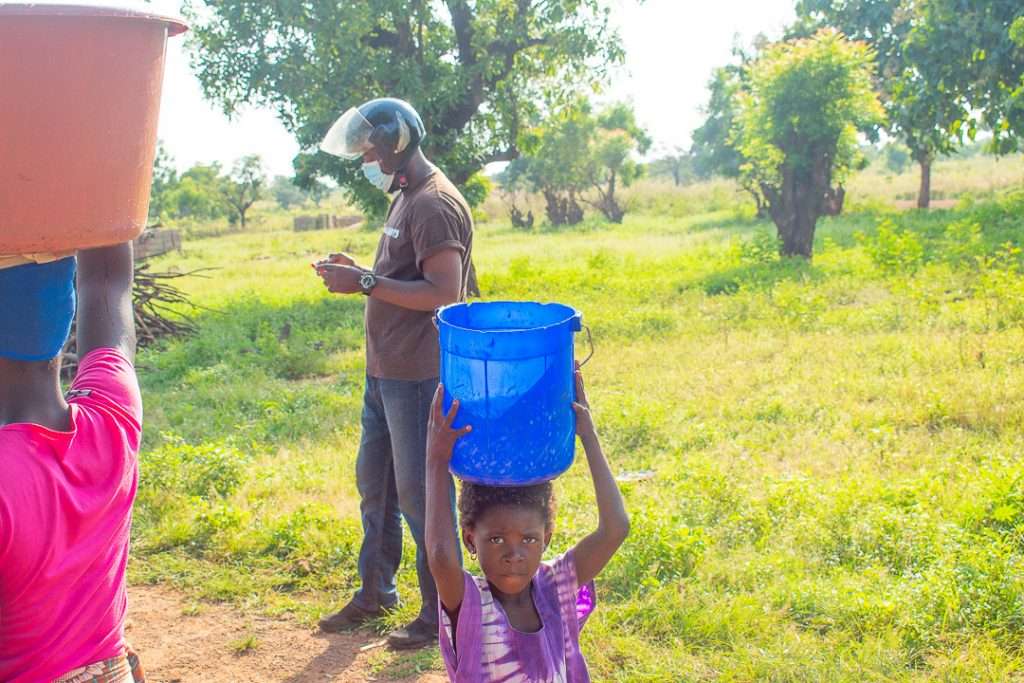
Today, modernization has changed much of this narrative. With pipe-borne water, wells, and plastic containers replacing the Garawa, this once-cherished tradition is fading away. Only a few remote communities still practice it as part of daily life.
But social media has brought the Garawa back this time, as a challenge. Young women are recording themselves carrying filled Garawas, reviving a cultural memory in a modern format. It’s fun, nostalgic, and empowering for some but controversial for others.

Empowerment or Primitive Practice?
The online debate is fierce. Some critics argue that the Garawa Challenge romanticizes an outdated tradition that placed physical hardship on women a reminder of gender inequality and the burdens they carried alone. To them, the Garawa represents struggle, not strength.
Others, however, see the challenge differently. They say it’s a celebration of heritage, a way for modern women to reconnect with their ancestors’ strength, endurance, and pride. To them, the Garawa Challenge is not about hardship; it’s about honoring women who carried families, communities, and traditions, quite literally, on their heads.
My Take
The truth lies somewhere in between. While the old days of walking miles for water should never be glorified, the Garawa Challenge serves as a beautiful reminder of where Northern women come from their resilience, grace, and power.
If done with respect, not mockery, the challenge can be more than entertainment; it can be a statement of identity. A way for young women to say, “We know our past, and we’re proud of it but we’re also shaping our own future.”
The Garawa may have once carried water, but today, it carries a story one of strength, endurance, and pride that continues to define Northern womanhood.

